To get rid of bed bugs completely, you need three things: a confirmed diagnosis, a treatment that reaches every hiding spot, and a follow-up that catches the bugs that hatch afterwards. Miss any one of them and the infestation comes back, usually within a few weeks.
In my experience, almost every “we tried everything and they came back” story fails at one of those three steps. People spray what they can see, skip the follow-up, or treat one room when the bed bugs have already moved to the couch.
This guide explains exactly how we eliminate bed bugs for good: how to confirm what you have, why store-bought products rarely work, how our three treatment options compare, how to prepare your home, and how to know for sure they’re gone.
Step 1: Make sure it’s really bed bugs
You can’t get rid of a pest you haven’t identified. Plenty of “bed bug” calls turn out to be carpet beetles, fleas or skin irritation, and treating the wrong problem wastes money.
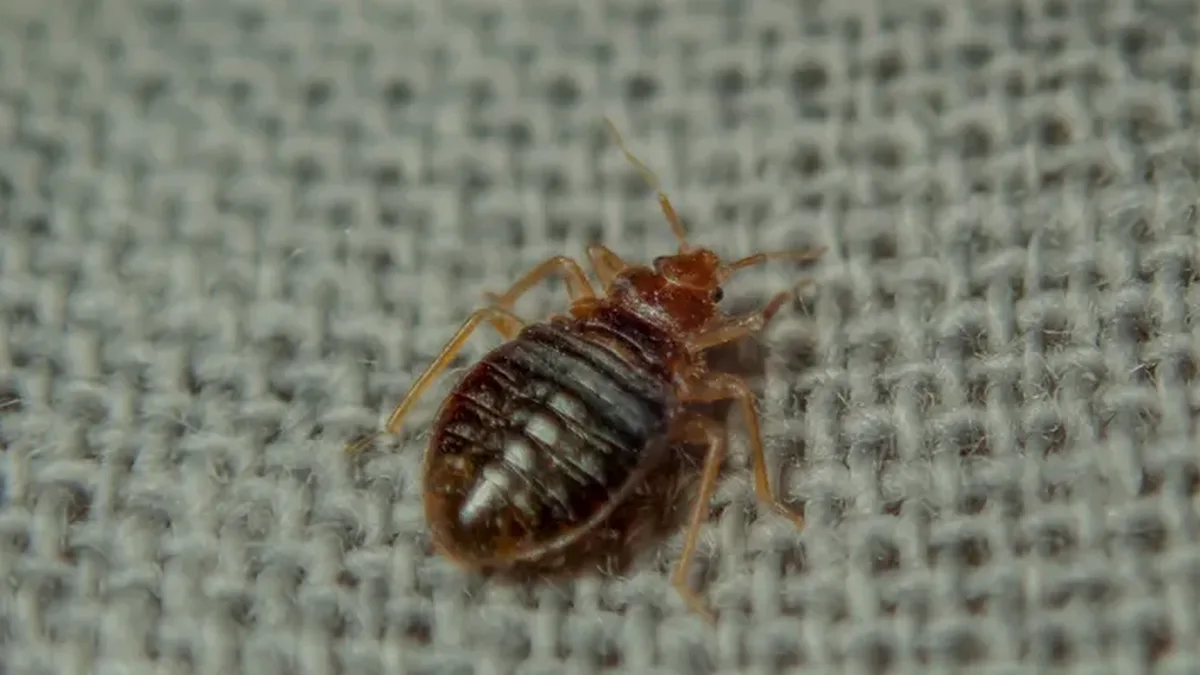
Adult bed bugs are flat, reddish-brown and about the size and colour of an apple seed, as the Ville de Montréal describes them. Look for these signs:
- Black or rust-coloured spots on mattress seams, sheets, the box spring or the bed frame. These are droppings and digested blood.
- Bites in lines or clusters, often on the arms, neck and shoulders, that appear overnight.
- Shed skins (pale, empty shells) in seams, cracks and furniture joints.
- Live bugs in mattress seams, behind headboards, along baseboards and in couch cushions.
- Tiny white eggs about 1 mm long, glued in crevices.
Bites alone don’t prove you have bed bugs. Some people don’t react to bites at all, and other insects bite too. Physical evidence like spots, skins or a live bug is what confirms it.
The questions we ask on the first call
When you call us, we start with your history before anyone visits. You can ask yourself the same questions:
- When did you first notice them? An infestation found in its first few weeks is much easier to clear.
- Are you getting bites, or did you just see a bug? Bites mean they’re feeding regularly and have probably settled in.
- Have you travelled recently? Hotels, buses, planes and luggage are the most common way bed bugs arrive.
- Has anyone stayed with you recently? Guests, new roommates and visiting family can bring them in.
- Do you live in an apartment, condo or house? In a shared building, the source may be a neighbouring unit.
The answers tell us how long the bed bugs have likely been there, how far they may have spread, and which treatment will fit.
Why DIY treatments usually fail
I understand why people try to handle bed bugs themselves first. It feels faster and cheaper. But Santé publique Montréal advises against treating your home yourself and recommends a certified exterminator.
From what I see in the field, DIY fails for four reasons:
- Sprays only kill what they touch. Bed bugs hide in cracks, outlets, bed frame joints and behind baseboards. A spray on the mattress surface misses most of them.
- Foggers (“bug bombs”) make things worse. The mist doesn’t reach inside cracks. Bed bugs often move deeper into walls or into the next room to escape it, which spreads the infestation.
- Eggs survive. Most consumer products don’t kill eggs. A week later, a new generation hatches and the problem looks like it came back.
- No follow-up. Even when a DIY attempt kills the adults, nobody comes back to check for the bugs that hatch afterwards.
Some DIY steps do help, and we recommend them alongside a professional treatment: running bedding and clothes through a hot dryer, vacuuming seams and cracks, and putting encasements on the mattress and box spring. They support a treatment. They don’t replace one.
How we get rid of bed bugs: our 5-step process
This is the process our team follows on every bed bug job.
- Phone assessment. We ask about your history: when you first saw them, whether you’re getting bites, recent travel and recent guests. This tells us how established the infestation is before we arrive.
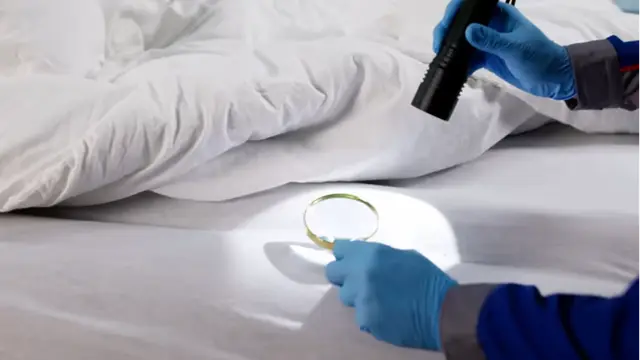
- On-site inspection. A technician inspects the home, confirms the bed bugs and maps where they are. We check beyond the bed: couches, nightstands, baseboards, outlets, and rooms next to the bedroom.
- Treatment recommendation. Based on how severe the infestation is and what matters to you, such as safety around kids and pets, the technician recommends chemical, biological or heat treatment. More on each below.
- Preparation. We send you written preparation instructions. Treatment only starts once your home is ready, because a well-prepared home lets the treatment reach every hiding spot.
- Treatment and follow-up. The technician comes back and treats. Most jobs take two visits. If there’s still activity, we return about three weeks after the first treatment.
Why three weeks? Bed bug eggs are protected and harder to kill than adults. The second visit catches the young bed bugs that hatch after the first treatment, before they’re old enough to lay eggs of their own. Skipping it is one of the most common reasons an infestation “comes back”.
Chemical, biological or heat: which treatment is best?
We offer three treatments. All three work when they’re done properly. The right one depends on how severe the infestation is, your budget, and how you feel about chemicals in your home.
| Treatment | How it works | Best for | Relative cost |
|---|---|---|---|
| Chemical | Licensed insecticides applied to the bed, furniture, cracks and baseboards where bed bugs hide | Light to moderate infestations and tighter budgets | Lowest |
| Biological (Aprehend) | Fungal spores sprayed as barriers. Bed bugs that walk across them carry the spores back to their hiding spots | Families who want no chemical insecticides; heavy infestations | Higher |
| Heat | The rooms are heated until every hiding spot reaches a temperature that kills adults and eggs | Heavy infestations; clients who want the fastest result | Highest |
Chemical treatment
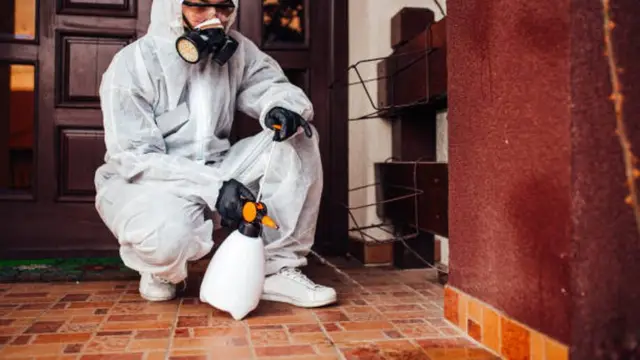
This is our most affordable option, and it works well when the home is properly prepared and the follow-up visit happens. You’ll need to stay out of the home for 6 to 12 hours after treatment. After that it’s safe to come back and sleep in your bed. For babies and pregnant women, we recommend waiting longer: 24 hours.
Biological treatment with Aprehend
Aprehend is a fungus-based biopesticide registered in Canada by Health Canada’s Pest Management Regulatory Agency in 2020 (PMP). We spray it as barriers where bed bugs travel. When a bed bug crosses a barrier, spores stick to its body and it carries them back to where the others hide. Infected bed bugs die within about 4 to 7 days, and one application keeps working for up to three months.
It’s the choice for customers who don’t want chemical insecticides in their home. It costs more than chemical treatment.
Heat treatment
Heat kills bed bugs at every life stage, including eggs, without chemicals. Research from the University of Minnesota found that eggs are more heat-resistant than adults. To kill them, every hiding spot must reach at least 48°C for about 72 minutes; only at around 55°C do eggs die almost immediately (Kells and Goblirsch, 2011). That’s why heat treatment needs professional equipment and temperature monitoring. A space heater or a hot car won’t get there.
Heat is our premium option and the most expensive of the three.
My recommendation
For a heavy infestation, I recommend biological or heat treatment. Both reach bed bugs that are hard to hit with sprays: Aprehend because the bugs carry it back to their hiding spots, and heat because it gets into every crack at once. For a light infestation caught early, chemical treatment with proper preparation and a follow-up is usually enough.
We don’t publish fixed prices, because the cost depends on the treatment, the size of the home and how far the infestation has spread. The estimate is free.
How to prepare your home for treatment
Preparation decides whether a treatment works. The goal is to give the technician access to every hiding spot, and to make sure nothing you own carries bed bugs back in afterwards. We send detailed instructions for your specific treatment. In general, expect to:
- Wash and dry all bedding, clothing and curtains. Use the dryer on its hottest setting for at least 30 minutes, as Santé publique Montréal recommends. The dryer’s heat does more than the wash.
- Seal clean items in plastic bags. Tie or tape them shut and keep them sealed until the treatment is finished. Throw out the bags you used to carry dirty laundry, outside the home.
- Clear the floors and the area around the bed. Remove clutter so the technician can reach baseboards, under the bed and behind furniture.
- Empty nightstands and dressers in the affected rooms, and bag the contents.
- Pull furniture about 30 cm away from the walls.
- Vacuum mattress seams, the bed frame and baseboards, then empty the vacuum into a sealed bag and throw it out outside.
- Tell your landlord if you rent. More on that below.
Common preparation mistakes
- Moving things to another room, a friend’s place or the car. It feels like protecting your belongings, but it spreads the bed bugs somewhere untreated.
- Spraying store-bought products before we arrive. Bed bugs scatter to escape them, which makes them harder to find and treat.
- Leaving bags open or unsealed. One loose bag of clothes can re-infest a treated room.
- Throwing out furniture without wrapping it. Dragging an infested mattress through a hallway or stairwell drops bed bugs along the way, and anyone who picks it up off the street takes them home.
Should you throw out your mattress?
Usually not. In most cases a mattress can be treated and saved. After treatment, put the mattress and box spring in bed bug encasements: zippered covers that trap any remaining bugs inside and leave them nowhere to hide on the surface. Replacing a mattress before the home is treated just means the new one gets infested too.
If a mattress is torn or very heavily infested and you decide to replace it, wait until after the treatment. Wrap the old one in plastic before you take it out, and mark it as having bed bugs so nobody takes it.
Between visits, and how to know they’re really gone
What to do between visits
- Keep sleeping in your bed. It sounds strange, but if you move to the couch, the bed bugs follow you there. Staying in the treated bed draws them across the treatment.
- Don’t spray or clean away the treatment. Avoid wiping baseboards or steam-cleaning treated areas until your technician says it’s OK.
- Keep belongings sealed until the final visit.
- Expect to see a few bed bugs in the first days. Seeing some after treatment is normal while the treatment works, especially with Aprehend, which takes several days.
- Note any new bites or sightings and tell us. That tells us whether a second visit is needed.
How we confirm they’re gone
We don’t close a job based on a feeling. We consider the infestation eliminated when:
- there are no new bites, and
- there are no new marks on the mattress, the bed frame or furniture, and
- a thorough final inspection of every hiding spot finds no live bugs, eggs or fresh signs.
Once that’s confirmed, your guarantee covers you from 3 to 12 months, depending on the treatment. If the bed bugs come back during that period, so do we.
How to keep them from coming back
- After travelling, keep your suitcase off the bed and floor, and put your clothes straight into the dryer on high when you get home.
- Never bring home a mattress or couch from the street. Inspect any second-hand furniture before it comes inside.
- Keep the encasements on your mattress and box spring. They also make a new problem easy to spot early.
- Call early. One bed bug found in the first week is a small job. Three months later it’s a whole apartment.
Bed bugs in Montréal apartments: what tenants and landlords should know
Most of Montréal lives in plexes and apartment buildings with shared walls, so bed bugs are often a building problem, not a single-unit problem.
If you rent: tell your landlord as soon as you suspect bed bugs. According to Santé publique Montréal, the landlord is responsible for hiring an extermination company as soon as they are notified. If your landlord doesn’t act, call 311 to reach your borough.
If you’re a landlord: call a certified exterminator as soon as a tenant reports bed bugs. The Ville de Montréal asks landlords to let the exterminator visit the entire building to determine how far the infestation has spread. Treating one apartment while the neighbours stay infested is how buildings end up with bed bugs for years.
Exterminators must declare bed bug treatments. Under Montréal’s by-law on the sanitation and maintenance of dwelling units (03-096), exterminators must declare each bed bug job to the city within 5 days (Ville de Montréal). Fenix holds a MELCCFP category C5 pesticide permit (No. 402403415), which is required for this work.
Moving day, July 1st: thousands of Montrealers move the same week, and mattresses and couches pile up on the sidewalks. Inspect your new apartment before you bring anything in, wrap your mattress and furniture in plastic for the move, and never take furniture from the street.
Frequently asked questions
How long does it take to get rid of bed bugs completely?
Most homes need two visits, about three weeks apart, so plan on roughly a month from the first treatment to the final inspection. A light infestation caught early can be cleared in one visit.
Are bed bugs dangerous?
They don’t transmit diseases. The bites itch and can get infected if you scratch them, and an infestation can cause anxiety and lost sleep, according to Santé publique Montréal. Read more in our article Bed bugs in Montréal: are they dangerous?
Can I get rid of bed bugs myself?
You can help, with hot drying, vacuuming and encasements. Completely eliminating an established infestation on your own is very difficult, because store-bought products don’t reach hiding spots or kill eggs. Foggers can spread the bugs to other rooms.
Is the treatment safe for my children and pets?
Yes, when it’s done by a licensed professional and you follow the instructions. After a chemical treatment, everyone stays out for 6 to 12 hours, and we recommend 24 hours for babies and pregnant women. If you want to avoid chemicals entirely, choose biological (Aprehend) or heat treatment.
Why do I still see bed bugs after the treatment?
Seeing a few in the first days is normal while the treatment works. If you’re still seeing them or getting new bites after two weeks, tell us. That’s what the follow-up visit is for.
How much does bed bug treatment cost?
It depends on the treatment you choose, the size of your home and how far the infestation has spread. Chemical is the most affordable, biological costs more, and heat is the premium option. Call us for a free estimate.
Get rid of bed bugs for good
Bed bugs don’t go away on their own, and every week makes the job bigger. If you’ve found signs in your home, call us at 514-531-6074 or request a callback. We answer 24/7, in French and English, and the estimate is free.
Learn more about our bed bug extermination service in Montréal.
Sources
- Punaises de lit, Santé publique Montréal (in French)
- How to get rid of bed bugs, Ville de Montréal
- Declare bedbug extermination work, Ville de Montréal
- Aprehend registered in Canada, Pest Management Professional, May 2020
- Temperature and Time Requirements for Controlling Bed Bugs under Commercial Heat Treatment Conditions, Kells and Goblirsch, Insects, 2011